Living Off-Grid
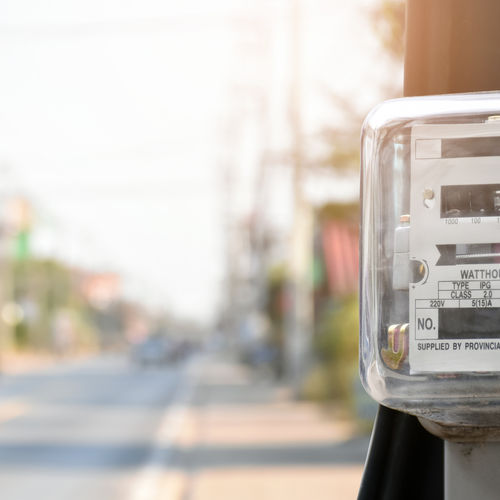
Last week I wrote about ways to save money on utilities. If you really want to save money on utilities, you can live off the grid. This isn't for everyone, but if you have the right equipment, the right skills, and the right mentality, it can be great. The hardy souls who came to Mendocino County in the 1970s and lived off-grid took on a hugely challenging lifestyle, but today living off the land is a lot easier and a lot more comfortable.
The 1970s: Off-Grid
The 1970s back-to-the-land movement brought quite a few people to this area. Mendocino County was beautiful, rural, and relatively inexpensive, and it appealed to those who didn’t want the government meddling in their affairs. For those who were willing to work hard and go without modern conveniences, Mendocino County offered a wonderful place to create a new life.
These mavericks bought land and built their own homes. They were often far from any town center, both in miles and in the time it took to get anywhere. Heat came entirely from firewood gleaned from the property and cut by hand. Food came from vegetable gardens, hunting and fishing. Cooking happened on the same wood stove that heated the house. There was no air conditioning. And when the roof leaked, you patched it yourself, because there wasn't anyone to call who was willing to drive miles on a gravel road (that sometimes washed out in winter).
The Mid-1980s: A Little Easier, Still Modest
About fifteen years in, technology had improved and many who had been staunchly counter-culture eventually joined the traditional workforce. Propane heating showed up, vehicles got more dependable, and homeowners had the means to make their homes more comfortable and energy efficient, adding more insulation, dual-pane windows, and weather proofing. Life got easier, but it was still a modest existence. Since cell phones didn’t exist yet, kids who grew up off-grid didn’t feel as disconnected as they might today.
2025: Off-Grid Offers a Comfortable and Modern Life
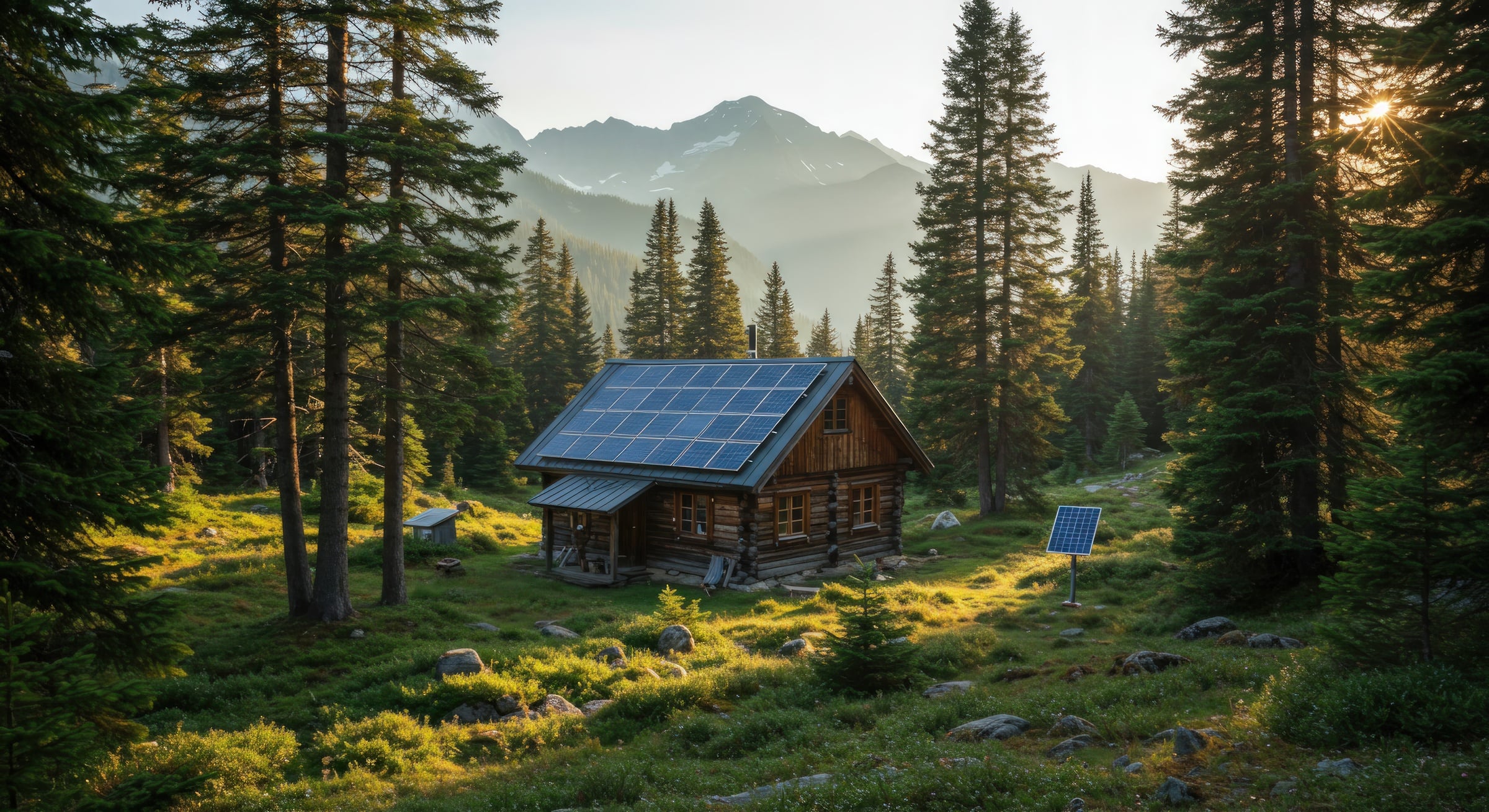
Fast forward to today, and off-grid living looks completely different. Solar arrays with battery storage can power modern appliances and an electric vehicle, not to mention the pump and water-purification system for the well and the heater for the pool. Some people also use hydro and/or wind power. The house gets its heat from electricity and a pellet stove. Air conditioning is available. Starlink connects you to the internet.
If you really wanted to avoid your fellow humans, you could grow a big vegetable garden, keep chickens, and maybe head to the Redwood Empire Fair once a year to purchase a steer, a pig, and a lamb—unless you’re a hunter, then you’d get game yourself.
What Buyers Should Weigh Before Committing
None of this comes free. A serious solar setup can run well into six figures. Gardens are labor-intensive. Wells and springs can and do run dry, so I always recommend a gravity-fed storage backup in case water needs to be trucked in. Fire risk is significant, like everywhere else around here, but it can be reduced with a metal roof, hardy board siding, composite decking, and defensible space of 15 to 30 feet.
Emergency response is the bigger issue for a lot of buyers: fire trucks and ambulances can struggle to reach the most remote properties, and response times run much longer than in town. Gravel access roads can wash out, and the county isn’t responsible for repairing all of them. And then there's isolation: neighbors are distant. Some people see that as the whole appeal; others feel lonely.
Of course, you can be off-grid without withdrawing from community life. You just have to decide how remote you want to be.
If you have questions about property management or real estate, please contact me at [email protected] or call (707) 462-4000. If you have an idea for a future column, share it with me and if I use it, I’ll send you a $25 gift certificate to Schat’s Bakery.
Dick Selzer is a real estate broker who has been in the business for more than 50 years. The opinions expressed here are his and do not necessarily represent his affiliated organizations.
Check out this article next