How many times have you put off fixing little problems in your home—a squeaky
door, a drafty window, a cabinet that doesn’t quite close? It happens to all of us. We get
busy or we simply get lazy. Most of the time, the worst thing that happens is that the
door keeps making noise, the window causes your heating bill to rise, and the cabinet
annoys your wife each time she try to close it. These are things you can live with.
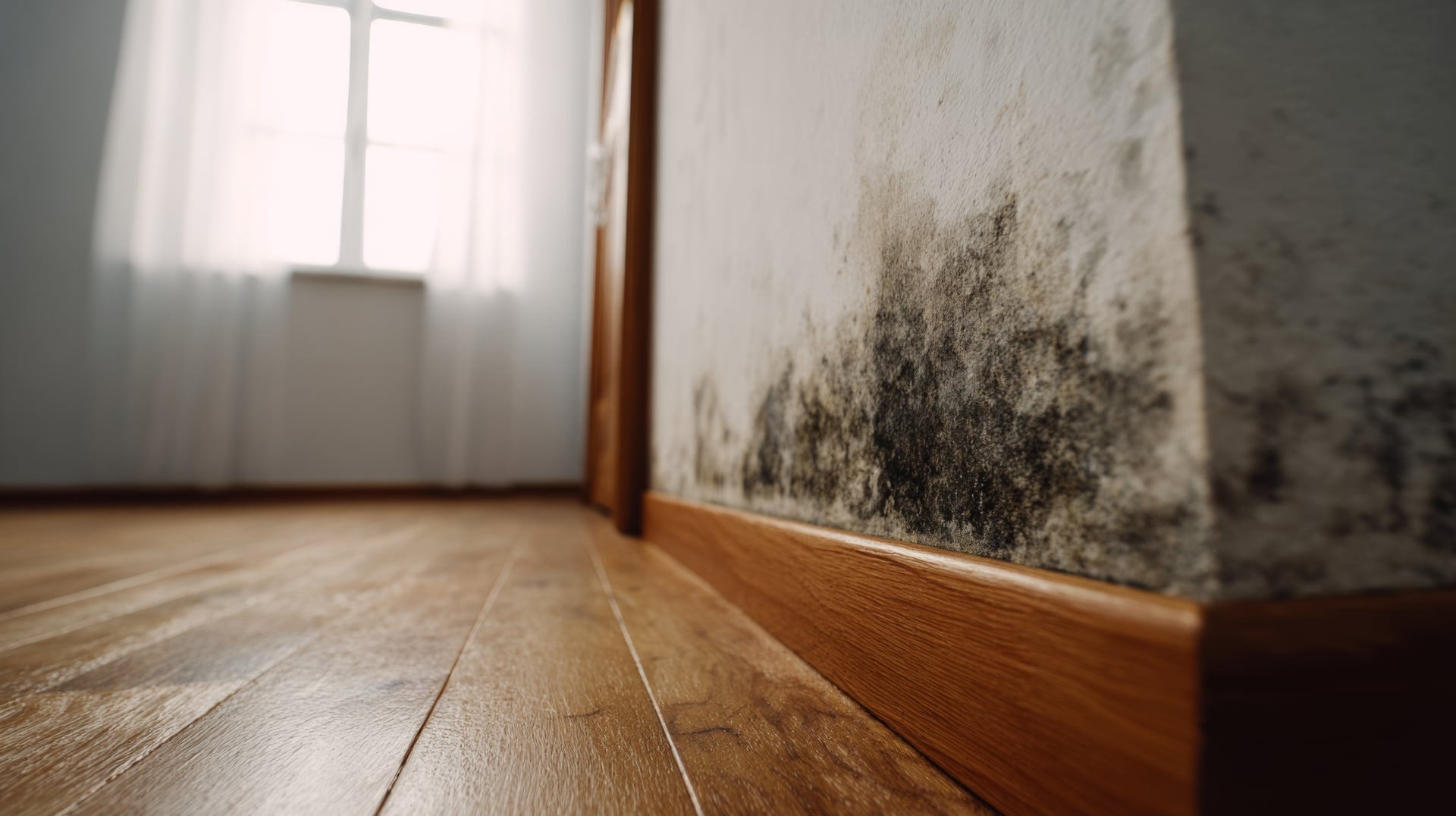
But if you’ve been meaning to do something about the mold in your bathroom, do
not put it off. Not all mold is created equal, but all mold in your house (unless it’s on
cheese by design) should be evaluated so you know if it’s allergenic, pathogenic, or
toxigenic.
Allergenic mold triggers allergic reactions and asthma in people who are
susceptible. Pathogenic mold can be harmful for people whose immune systems are
compromised. Toxigenic mold (often referred to as “black mold”) is the most dangerous
and can cause serious health issues, even in the healthiest of people.
All mold grows where it’s damp, so in homes, you’re likely to find it in basements,
laundry rooms, kitchens, bathrooms, and along the sill of a single-paned window. You
can also find it anywhere a leaky pipe keeps things damp.
Mold can grow on all sorts of surfaces from wood to tile, wallpaper, carpet,
upholstery, and more. It is often found after a leak, especially in poorly ventilated
bathrooms. Mold can grow behind sheetrock in a shower, in the subfloor around a toilet
if the wax seal is compromised, or in a crack in the shower pan. It can also hide behind
a couch pressed up against a poorly insulated exterior wall. The damage isn’t always
visible, but it often is. Sometimes smell gives it away. And in a bathroom, it doesn’t take
long for water to cause discoloration or a spongy feel to the floor.
Anything that allows water to intrude opens the door to mold. Once water is
inside, it tends to stick around. If you are thinking of buying a home and you see
evidence of water stains or leaks—or if it smells musty—be sure to read the disclosures
carefully (which you should do anyway), get a pest and fungus report, and ask
questions about whether mold has been a problem in the past.
Until the last several years, most people didn’t realize how dangerous mold could
be. Now we know that for some, the health effects of exposure can be severe. For those
sensitive to mold, symptoms can include a stuffy nose, wheezing, and red or itchy eyes
or skin. People with asthma often have more frequent and/or more severe asthma
attacks. And for some, mold can lead to fever and shortness of breath.
When mold is somewhere you can see it, it’s easy enough to recognize. But mold
can hide where it’s hard to see (in the walls, for example). If you suspect you may have
a problem, either purchase an over-the-counter mold test kit or better yet, hire a
professional to test your air quality. Mold spores can be hard to detect, and you don’t
want a false sense of security.
If you find a little spot of mold, say, less than 100 square feet and you’re
comfortable making your own repairs, you could consider addressing the problem
yourself. Be aware that once you start cutting into floors and walls, you may run into
other challenges like lead paint and asbestos. This is why I generally recommend hiring
an expert. Mold removal is not easy or cheap, but having it removed safely is critical to
your health. Locally, Redwood Restoration and ServePro offer remediation services.
Be aware that insurance companies get touchy about water damage. Even after
remediation, insurance companies sometimes refuse to renew home insurance policies
for fear mold issues.
It boils down to this: if you think you have a mold problem (especially if you are
considering selling your house), check it out and disclose what you find. If you’re
thinking of buying a house and you suspect a mold problem, investigate and make sure
you do not end up footing the bill for remediation.
If you have questions about property management or real estate, please contact
me at [email protected] or call (707) 462-4000. If you have an idea for a future
column, share it with me and if I use it, I’ll send you a $25 gift certificate to Schat’s
Bakery.
Dick Selzer is a real estate broker who has been in the business for more than
50 years. The opinions expressed here are his and do not necessarily represent his
affiliated organizations.
Check out this article next