Many empty nesters would like to downsize, but because their home loan is
locked in at such a low interest rate, it doesn’t make financial sense to move. A friend of
mine recently asked if she should build an accessory dwelling unit (ADU) on her
property and move into that while renting her big house. The answer is: it depends.
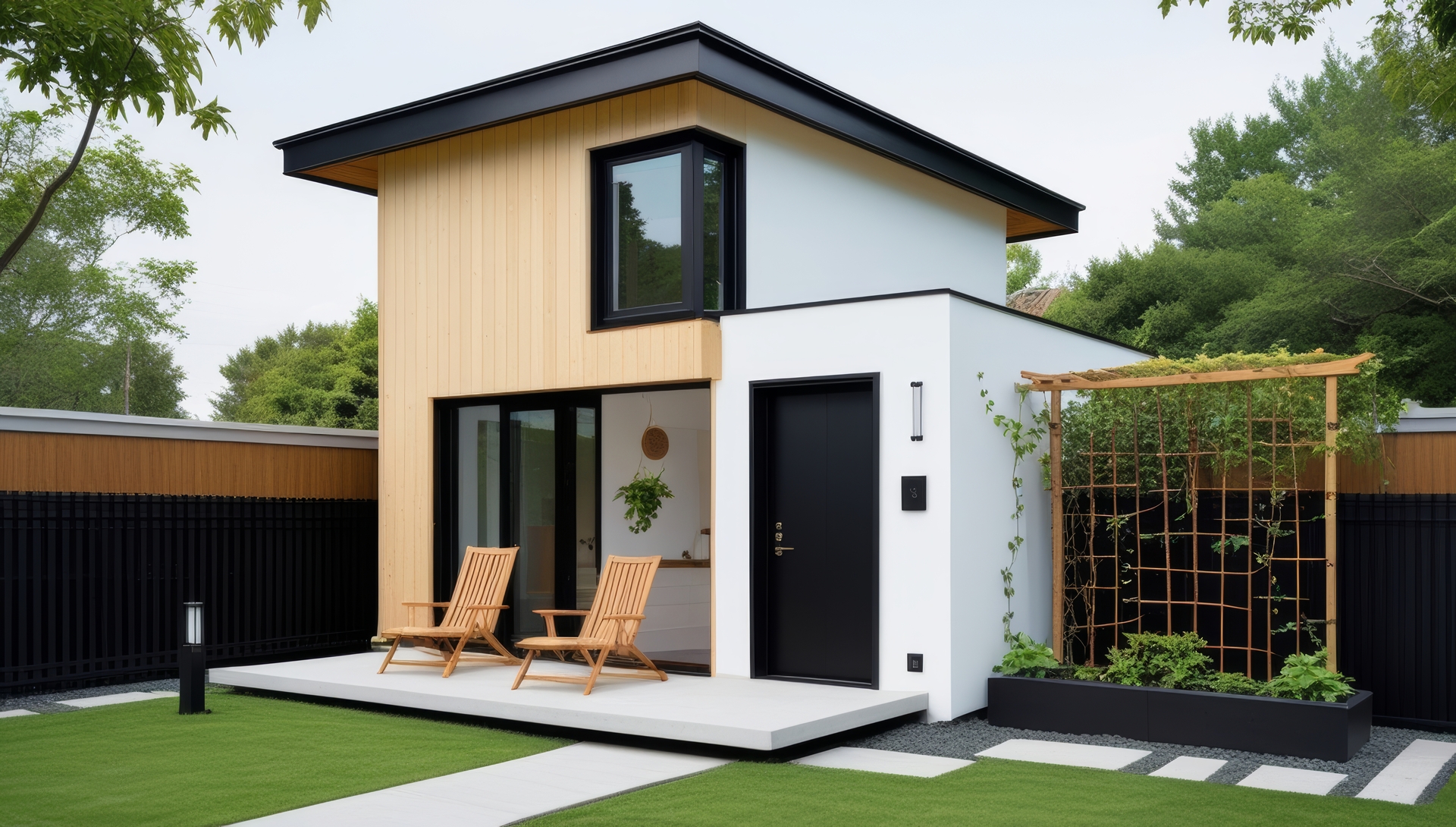
ADUs are sometimes referred to as granny units or mother-in-law units. They are
small residences intended to provide visitors with a comfortable place to stay or a place
for someone to live separate from the main house.
If you have a lot of visitors and you’d like them close but maybe not in your
home, building an ADU is a great option if there’s room on your property. However, if
you thought building an ADU would be a cheap way to gain some rental income, you
may need to think again, especially if you plan to move into the ADU and rent the main
house.
According to a local contractor I work with, building an ADU with utilitarian,
apartment-grade fixtures and appliances will run about $300-350 per square foot.
Building an ADU with the fixtures and appliances you’d want if you plan to live there will
run closer to $450-500 per square foot. So, a 1000-square-foot ADU will cost anywhere
from about $300,000 to $500,000.
Based on today’s rental rates, a two-bedroom, one-bath 1,000 square foot ADU
in a preferred part of town will earn you about $1,500 per month. The interest rate on a
home equity loan to build an ADU would be somewhere in the neighborhood of 7.5% on
a 30-year, fully amortized loan. Loan payments for a $350,000 ADU would cost about
$2,450 per month. Maintenance and upkeep would cost another 3.5%, so with loan
payments, taxes, insurance, maintenance and upkeep, you’d be looking at about $3,000
per month. (So far, you’re $1,500 in the hole.)
On the positive side, there are tax benefits to owning income property. You can
depreciate your new ADU over 39 years, which amounts to a tax savings of about $750
per month. So, when you add your cash loss of $1,500 to your depreciation expense of
$750, you’ll have a monthly write-off of $2,250 per month. You’ll save half of that in
taxes, presuming you’re in the 50% tax bracket (combined state and federal). As you
can see, you’re still not breaking even.
If you have the financial resources to build an ADU, it can certainly increase your
property value and provide either rental income to offset your costs or a convenient
place for people to stay, but the up-front investment is significant. You need to explore
why you want the ADU. If your sole motivation is to earn rental income, consider buying
an investment property.
ADUs come with more than just financial costs. With an ADU, you lose privacy
and space because you now have someone living in your back yard. You’ll have to
contend with an extra car or two in the driveway or in front of your house. Plus, the
tenants will have easy access to you; they can simply knock on your door with
questions or concerns.
If you have five acres in Redwood Valley and the ADU is on the far corner from
yours, that’s one thing, but if you have a 12,000 square-foot lot, there’s no escaping
interactions with your tenant. Even if you hire a property manager, which I recommend,
you’ll need to look the tenant in the eye and redirect them to the property manager. This
can be hard when they know you have the authority to solve their problem.
If you manage the property yourself, you’ll have to deal with filling vacancies,
screening prospective tenants, and holding the line with regard to the lease agreement
(no loud parties, no pets, no more than four residents, etc.). This is true whether you
build an ADU or purchase investment property.
The long and short of it is that ADUs can be handy, but I recommend carefully
considering your needs and goals before building in your back yard.
If you have questions about property management or real estate, please contact
me at [email protected] or call (707) 462-4000. If you have an idea for a future
column, share it with me and if I use it, I’ll send you a $25 gift certificate to Schat’s
Bakery.
Dick Selzer is a real estate broker who has been in the business for more than
50 years. The opinions expressed here are his and do not necessarily represent his
affiliated organizations.
Check out this article next